The Echoes of Main Street: Decoding Woolworths' History in Dallas & Houston Through Digital Traces
The name Woolworths evokes a powerful sense of nostalgia for generations across America. More than just a retail chain, F.W. Woolworth Co. stores were often the beating heart of downtowns, social hubs where a dime could buy a memory and the lunch counter served up affordable comfort. In bustling Texas metropolises like Dallas and Houston, Woolworths locations were integral parts of the urban fabric, shaping shopping habits and community life. Today, as these physical structures transform or vanish, historians and enthusiasts often turn to digital archives, including online forums, to piece together their past. But what happens when the search for specific memories, like the evocative "woolworths child tears" – a phrase hinting at deep childhood emotions and perhaps the wistful loss of a beloved place – doesn't yield direct results in these digital repositories? This article explores how we can decode the history of Woolworths in Dallas and Houston, even when explicit mentions are scarce, by analyzing the broader context and metadata of forum discussions.
Unpacking the Silence: Forum Metadata as Historical Clues
When delving into online forums for historical research, a common challenge arises: the direct answer you seek might not be explicitly stated. Our reference context, for instance, points to forum discussions about Woolworth's Department Store at 920 Main St. - Houston and 613 Main St. - Houston, as well as broader regional discussions like "North Park - Dallas/Fort Worth/Metroplex." However, it explicitly notes the absence of content related to "woolworths child tears." This doesn't mean the emotion didn't exist; rather, it prompts a deeper investigation into how forum data, even its metadata, can still paint a vivid historical picture.
Metadata—the data about data—in forums includes thread titles, timestamps, user activity, number of replies, and the general topic area. While a thread might not contain the exact phrase "woolworths child tears," its existence about a specific Woolworths address, its popularity, or the general tone of nostalgia in the surrounding comments implicitly speaks volumes. It indicates that these locations were significant enough to warrant discussion years, even decades, after their closure. The very act of users creating topics like "Woolworth's Department Store At 613 Main St. - Houston" demonstrates a collective memory and a desire to preserve and share history, which itself is a testament to the stores' lasting impact.
The Ghost of Retail Past: Woolworths' Legacy in Texas Metropolises
F.W. Woolworth was a cornerstone of American retail, pioneering the "five-and-dime" concept and becoming a cultural institution. For Dallas and Houston, these stores were more than just places to buy goods; they were meeting points, lunch spots, and symbols of urban vibrancy. Their presence anchored Main Street districts and offered a unique shopping experience that combined affordability with a touch of spectacle.
Houston's Main Street Markers: 613 & 920 Main St.
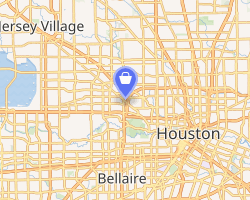
Houston's downtown, particularly along Main Street, was once dotted with these retail giants. The addresses 613 Main St. and 920 Main St. would have been prominent landmarks. While the explicit content of the referenced forum posts might not detail specific anecdotes about "woolworths child tears," we can infer the type of memories these locations would have generated:
- Childhood Wonder: For children, Woolworths was often a magical place. The toy section, the candy counter, the pet shop – each visit could spark wonder. The "child tears" might not have been literally about sadness, but perhaps about the overwhelming excitement, the disappointment of not getting a desired item, or the genuine sorrow of leaving a place so full of delight.
- Social Hub: The lunch counter was a democratic space where people from all walks of life mingled. For many, it was their first taste of restaurant dining or a regular meet-up spot. Discussions about these addresses would invariably touch upon the food, the service, and the social interactions that took place there.
- Architectural Significance: These downtown stores were often housed in grand buildings, part of the architectural heritage of Houston. Forum users might discuss the building's facade, its interior layout, or what occupied the space before and after Woolworths.
- Economic Impact: As major employers and tax revenue generators, Woolworths stores played a role in the local economy. Their eventual closures, part of a national trend, often marked shifts in downtown retail landscapes.
The mere fact that specific addresses like 613 and 920 Main Street are named in forum topics suggests a deep-seated connection and a desire to pinpoint the exact locations of these cherished memories. These digital breadcrumbs, even without explicit narrative, lead us to the heart of Houston's retail past.
Dallas's North Park Connection: Expanding the Retail Narrative
While the direct references for Dallas are less specific to a particular Woolworths address, the mention of "North Park - Dallas/Fort Worth/Metroplex - HAIF" is significant. The Houston Area Internet Forum (HAIF), despite its name, often hosts discussions that spill over into broader Texas urban development and retail history, including Dallas and the DFW Metroplex.
NorthPark Center, opening in 1965, marked a significant shift in retail from downtown districts to suburban malls. While Woolworths typically thrived in downtown settings, they also adapted to some early mall environments. Discussions on a regional forum covering North Park might touch upon:
- The Evolution of Retail: How did the rise of shopping malls like NorthPark affect traditional downtown department stores like Woolworths? This contextual shift is crucial for understanding the broader history of retail in Texas.
- Specific Dallas Locations: While not explicitly referenced in the provided context, the existence of a regional forum implies that specific Woolworths locations in Dallas would also be topics of discussion. Perhaps there were Woolworths stores that predated or coexisted with the rise of suburban malls, or even smaller Woolworth Express type stores within malls.
- Shared Experiences: Forum users from across the DFW Metroplex would share common memories of Woolworths, regardless of the specific store, reinforcing the chain's widespread cultural impact. This broader scope helps illustrate the ubiquitous nature of the "five-and-dime" experience that resonated with people, whether they were in downtown Dallas or a burgeoning suburban area.
The "woolworths child tears" sentiment, therefore, isn't confined to a single store but represents a collective feeling for an entire era of retail and childhood experiences that shaped these growing Texan cities.
Decoding Digital Forum History: Tips for Researchers
When the explicit narrative is elusive, the true value lies in the art of interpretation. Here are practical tips for decoding history from digital forums, especially when searching for emotionally charged but rarely articulated phrases like "woolworths child tears":
- Look Beyond Explicit Keywords: Assume direct hits will be rare for highly specific or anecdotal phrases. Instead, search for broader terms like "Woolworths memories," "downtown shopping," "lunch counter Houston," "childhood stores Dallas."
- Analyze Forum Metadata:
- Thread Titles: Do they mention specific addresses or time periods?
- Post Counts/Views: High engagement signals significant collective memory.
- Timestamps: When was the discussion active? Does it align with your period of interest?
- User Profiles: Are the users likely to have first-hand experience (e.g., older members discussing their youth)?
- Infer Emotional Connections: Even if "woolworths child tears" isn't present, look for language that suggests nostalgia, loss, happiness, or wistfulness. Phrases like "I miss that place," "It was a treat," "Those were the days," or descriptions of specific cherished items or experiences can implicitly convey similar emotions.
- Contextualize with Other Sources: Cross-reference forum discussions with historical newspapers, city directories, old photographs, and local history archives. This helps confirm details and adds depth to anecdotal accounts.
- Understand Forum Demographics: Different forums attract different audiences. HAIF, for example, focuses heavily on Houston's urban development, which will influence the nature of historical discussions.
- Track What's NOT Said: The absence of certain discussions can also be informative. If a major landmark is rarely mentioned, it might indicate a less significant impact or a lack of collective memory within that specific forum's user base.
Conclusion
The story of Woolworths in Dallas and Houston is a rich tapestry woven from bricks and mortar, customer experiences, and the changing urban landscape. While digital forums might not always yield direct mentions of a specific phrase like "woolworths child tears," they offer invaluable insights into the collective memory and historical significance of these retail giants. By carefully analyzing forum metadata, interpreting nostalgic language, and cross-referencing with other historical sources, we can piece together the emotional and factual history of Woolworths. The "child tears" might not be explicitly documented, but the underlying sentiment of wonder, joy, and the wistful remembrance of a simpler time, when a visit to Woolworths was a highlight, resonates deeply through the digital echoes of Main Street and beyond. These digital traces ensure that the legacy of Woolworths, as a cornerstone of American life and a generator of countless childhood memories, continues to be explored and understood for future generations.